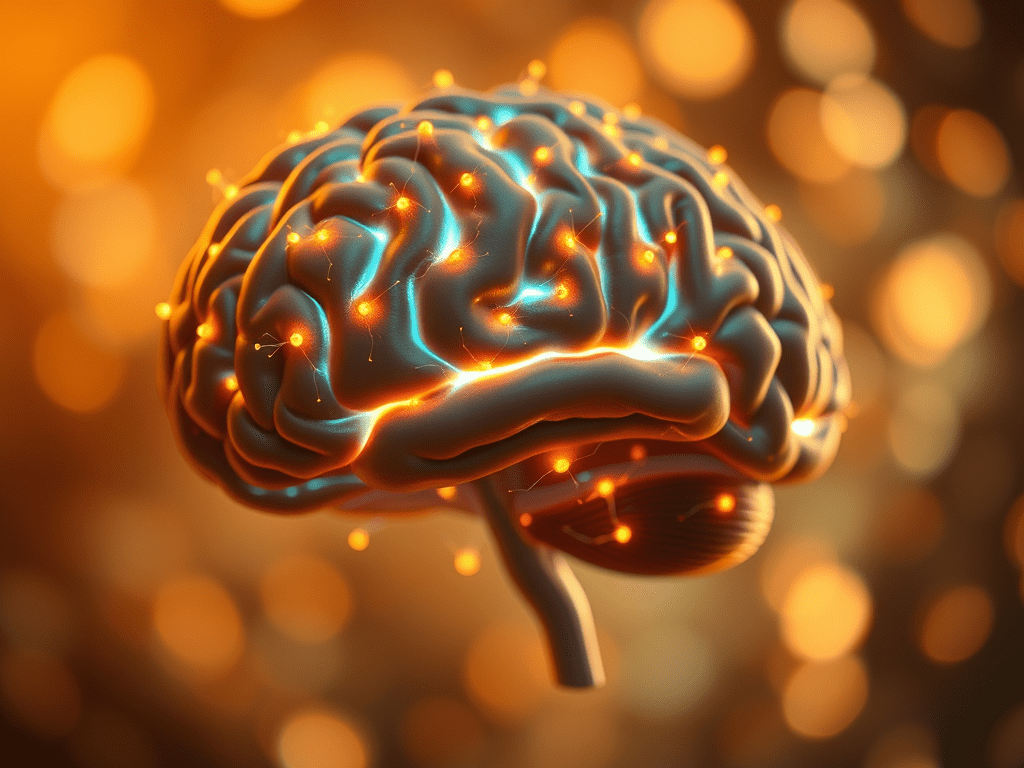
Here’s a simplified list of 50 key concepts, findings, and themes in gratitude research that explore how gratitude influences mental health, relationships, well-being, and life satisfaction, highlighting its role as both an emotion and a practice.
- Definition of Gratitude: Gratitude is an emotion and a practice involving recognizing and appreciating the positive aspects of life and the contributions of others.
- Psychological Benefits: Studies show that gratitude can enhance mental health, reducing symptoms of depression and anxiety.
- Physical Health: Grateful individuals report better physical health, including fewer complaints and more energy.
- Gratitude Journals: Keeping a gratitude journal—writing down things you’re thankful for—has been shown to improve well-being and increase happiness.
- Social Connections: Gratitude fosters stronger social connections and enhances relationships by encouraging positive interactions.
- Coping Mechanism: Practicing gratitude can help individuals cope with stress and adversity by shifting focus from negative to positive experiences.
- Neuroscience of Gratitude: Neuroimaging studies indicate that gratitude activates brain regions associated with reward processing and emotional regulation.
- Gratitude Interventions: Structured gratitude interventions, like letter writing or daily reflections, have been effective in improving overall life satisfaction.
- Cultural Variations: Gratitude is recognized across cultures, though expressions and practices can vary significantly.
- Gratitude and Resilience: Grateful individuals often exhibit greater resilience, enabling them to bounce back from challenges more effectively.
- Long-term Effects: Regular practice of gratitude can lead to sustained increases in happiness over time.
- Gratitude and Sleep: Research suggests that gratitude practices can improve sleep quality by reducing negative thoughts before bedtime.
- Child Development: Teaching gratitude to children can enhance their emotional development and social skills.
- Gratitude in Relationships: Expressing gratitude in romantic relationships can lead to greater satisfaction and longevity.
- Workplace Gratitude: Cultivating a culture of gratitude in the workplace can enhance employee morale and productivity.
- Gratitude and Generosity: Practicing gratitude often encourages individuals to be more generous and altruistic toward others.
- Religious and Spiritual Aspects: Many religious traditions emphasize gratitude as a key component of spiritual practice and well-being.
- Gratitude and Life Satisfaction: Higher levels of gratitude are consistently associated with greater overall life satisfaction and fulfillment.
- Negative Effects of Ingratitude: Focusing on what one lacks rather than what one has can lead to increased dissatisfaction and unhappiness.
- Gratitude in Therapy: Therapeutic approaches often incorporate gratitude practices to enhance client resilience and emotional health.
- Impact on Aging: Older adults who practice gratitude report higher levels of happiness and life satisfaction.
- Gratitude and Empathy: Gratitude is linked to increased empathy and prosocial behavior, fostering a more compassionate society.
- Gratitude Across Lifespan: Research indicates that gratitude can be beneficial at any age, from childhood through older adulthood.
- Digital Gratitude: Online platforms and social media can also serve as tools for sharing gratitude and building community.
- Gratitude in Education: Integrating gratitude practices in schools can promote positive behavior and academic success.
- Future Outlook: Gratitude can improve optimism about the future, leading to better goal-setting and achievement.
- Gratitude Rituals: Many people find that incorporating gratitude into daily rituals (like morning affirmations) enhances its effects.
- Limitations of Gratitude: While gratitude is beneficial, it should not overshadow legitimate feelings of anger or disappointment in negative situations.
- Gratitude and Mindfulness: Combining gratitude with mindfulness practices can deepen the benefits of both.
- Gratitude and Creativity: Some studies suggest that gratitude can enhance creative thinking and problem-solving abilities.
- Effect on Physical Pain: Practicing gratitude may help reduce the perception of physical pain, enhancing overall comfort.
- Gratitude and Forgiveness: Gratitude can promote forgiveness, helping individuals let go of past grievances.
- Gratitude in Leadership: Leaders who express gratitude can cultivate a positive organizational culture and inspire their teams.
- Influence of Gratitude on Decision-Making: Grateful individuals may be more thoughtful and less impulsive in their decision-making processes.
- Gratitude Across Generations: Family practices of gratitude can be passed down, influencing future generations’ emotional health.
- Gratitude and Achievement: Grateful individuals often pursue their goals more effectively due to increased motivation and positivity.
- Impact of Gratitude on Anxiety: Regular gratitude practices can significantly lower anxiety levels by promoting a positive mindset.
- Gratitude in Romantic Relationships: Research indicates that partners who express gratitude frequently report higher relationship satisfaction.
- Gratitude and Loneliness: Engaging in gratitude can help mitigate feelings of loneliness and social isolation.
- Gratitude and Technology: Apps designed to promote gratitude have emerged, providing tools for daily gratitude practices.
- Psychometric Tools: Various psychometric scales, such as the Gratitude Questionnaire, measure individual differences in gratitude.
- Gratitude and Interpersonal Skills: People who practice gratitude often develop stronger interpersonal skills, facilitating better communication.
- Gratitude and Parenting: Parents who model gratitude can influence their children’s emotional intelligence and social behaviors.
- Crisis Situations: In times of crisis, gratitude can provide a stabilizing effect, helping individuals cope with uncertainty.
- The Role of Gratitude in Recovery: Gratitude can play a vital role in recovery from illness by promoting a positive outlook and resilience.
- Gratitude and Self-Esteem: Practicing gratitude is associated with higher self-esteem and self-acceptance.
- Gratitude Interventions in Schools: Schools that implement gratitude interventions often see improvements in student behavior and academic performance.
- Quantifying Gratitude: Researchers use various methods to quantify gratitude, including self-report surveys and observational studies.
- Impact on Community: Community-wide gratitude practices can foster cohesion and a sense of belonging among residents.
- Gratitude in Public Health: Some public health initiatives promote gratitude as a strategy to improve community mental health.
I hope you enjoyed these 50 things about gratitude, as they highlight the profound impact that thankfulness can have on our lives, enriching our experiences and fostering deeper connections with others while encouraging us to appreciate the small joys and moments that often go unnoticed, leading to a greater sense of fulfillment and happiness, and reminding us that cultivating a grateful mindset not only improves our emotional well-being but also contributes to a more positive outlook on life, allowing us to navigate challenges with resilience and grace.
 Jordan Tate