Recent peer-reviewed studies show that the major key to addiction recovery is in having a support system and community, which provides individuals with the encouragement and accountability they need throughout their journey. A strong network of friends, family, and fellow recovering addicts creates an environment where individuals feel understood and less isolated in their struggles.
Sponsors, in particular, play a crucial role in this process, as they offer guidance and share their own experiences, which can be invaluable to those trying to navigate the challenges of recovery. By forming these connections, individuals not only enhance their motivation to remain sober but also build a sense of belonging that is often vital for long-lasting change and personal growth.
However, outside the sponsor relationships themselves, there’s a general lack of knowledge about recovery sponsors and how it works, which can lead to misconceptions and missed opportunities for individuals seeking support. Many people are unaware of the vital roles that sponsors play in the recovery journey, such as providing guidance, accountability, and emotional support. This gap in understanding not only hinders the effectiveness of recovery programs but also dissuades potential sponsors from getting involved, which could greatly benefit those in need. Furthermore, without proper education on the dynamics of these relationships, individuals may struggle to find suitable sponsors or misinterpret the expectations and boundaries involved in sponsorship.
Few books exist that delve deep into the dynamics of recovery sponsorship relationships, exploring not just the foundational principles but also the nuanced interactions that occur over time between sponsors and sponsees. More literature is needed. There’s a need for comprehensive studies that offer practical insights, real-life case studies, and testimonies, shedding light on the emotional and psychological aspects that influence both parties. Such texts could highlight the importance of trust and open communication but also address the challenges faced in these partnerships, offering strategies to cultivate a more effective and supportive recovery experience.
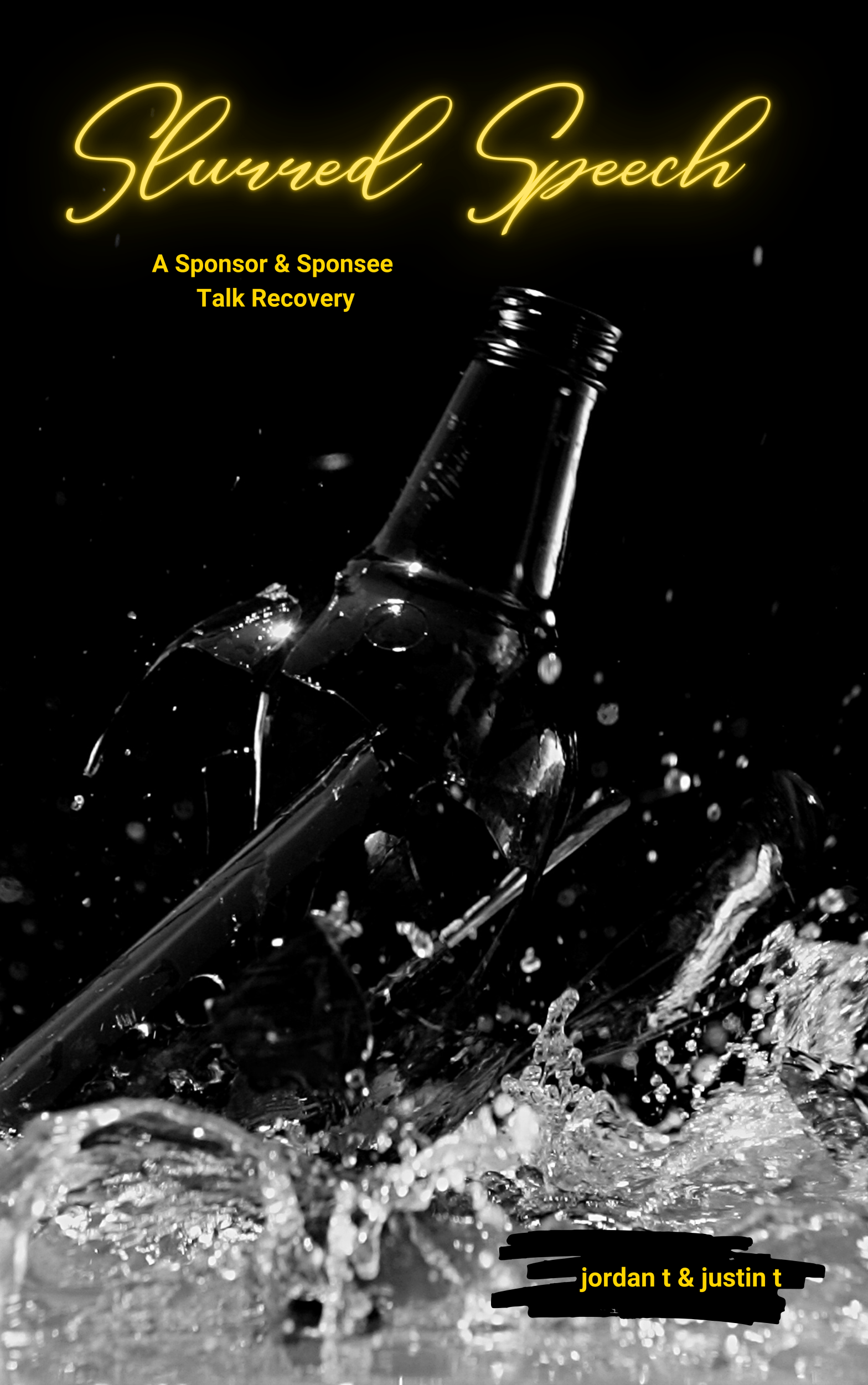
One such book on sponsorship in recovery is titled Slurred Speech: A Sponsor and Sponsee Talk Recovery, coauthored by Dr. Jordan Tate and Dr. Justin Trudeau. In this work, they share their own experiences as sponsor and sponsee together, offering invaluable insights into the dynamics of their relationship and the profound impact it had on their individual journeys toward healing. A short book of about 100 pages, it’s considered a collaborative memoir, a “mimoir” (mini-memoir) that encapsulates not just their stories but also the lessons learned along the way. Through candid reflections and engaging narratives, the authors explore various themes, such as vulnerability, accountability, fallibility, and the importance of trust in the sponsorship process. They provide readers with an intimate look at how their partnership helped them confront their own challenges, ultimately showcasing the transformative nature of support and connection in recovery.
 Jordan Tate
Very insightful. And very accurate.
LikeLike